Creating a Winning Culture in the World of Tech
In 2021, the U.S., Hong Kong, Sweden, Denmark, and Singapore were championed “the best digitally competitive countries in the world.” With 13,400 tech startups launched in 2019 in the U.S., is this any surprise? Probably not.
As the competition in the tech market heats up, what is happening within and how are tech companies building quality teams that will last?
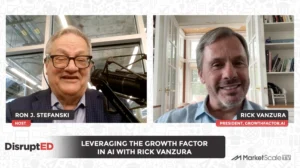
On today’s episode of DisruptED, Host Ronald Stefanski speaks with Steve Hult, former Head of Revenue, Developer Platform & Data Licensing at Twitter, to talk about his experiences in the world of tech and how individuals can take his lessons learned and apply them to their own experiences.
Culture is important in any industry for employee satisfaction. The world of tech, despite what some may believe, is no different.
“We spend so much time at work—even remote work, right? We’re on video conferences all day. I hope that you’re with a group that you can have fun with, that you can enjoy, that you can be honest and share with,” Hult stated.
Stefanski and Hult also talk more about the world of tech…
● The importance of being others-centered in the tech industry to assist with self-growth
and cultural growth
● Nuggets of wisdom Hult has learned from the individuals he has managed in the past
● How the emphasis in employment is shifting from materialistic expectations to cultural
expectations
Hult shared about the importance of combining your experiences as a leader with the experiences of those you lead to create better outcomes. “And so we create this list of strategies, tactics, and shortcuts…because my job, as someone who was in those shoes, who is now the leader, is to give you all of the shortcuts I have uncovered over the years…and to do whatever I can to make you better, and I think that’s how you grow a culture and a company that continues to outperform expectations,” he explained.
Steve Hult is former Head of Revenue, Developer Platform & Data Licensing at Twitter and has worked as Senior Account Executive at Gnip and an Account Executive at Trada in the past. He is an expert in leadership and team building and has extensive marketing, sales, and social media experience. Hult attended New York University to earn his BS in Sports Management.